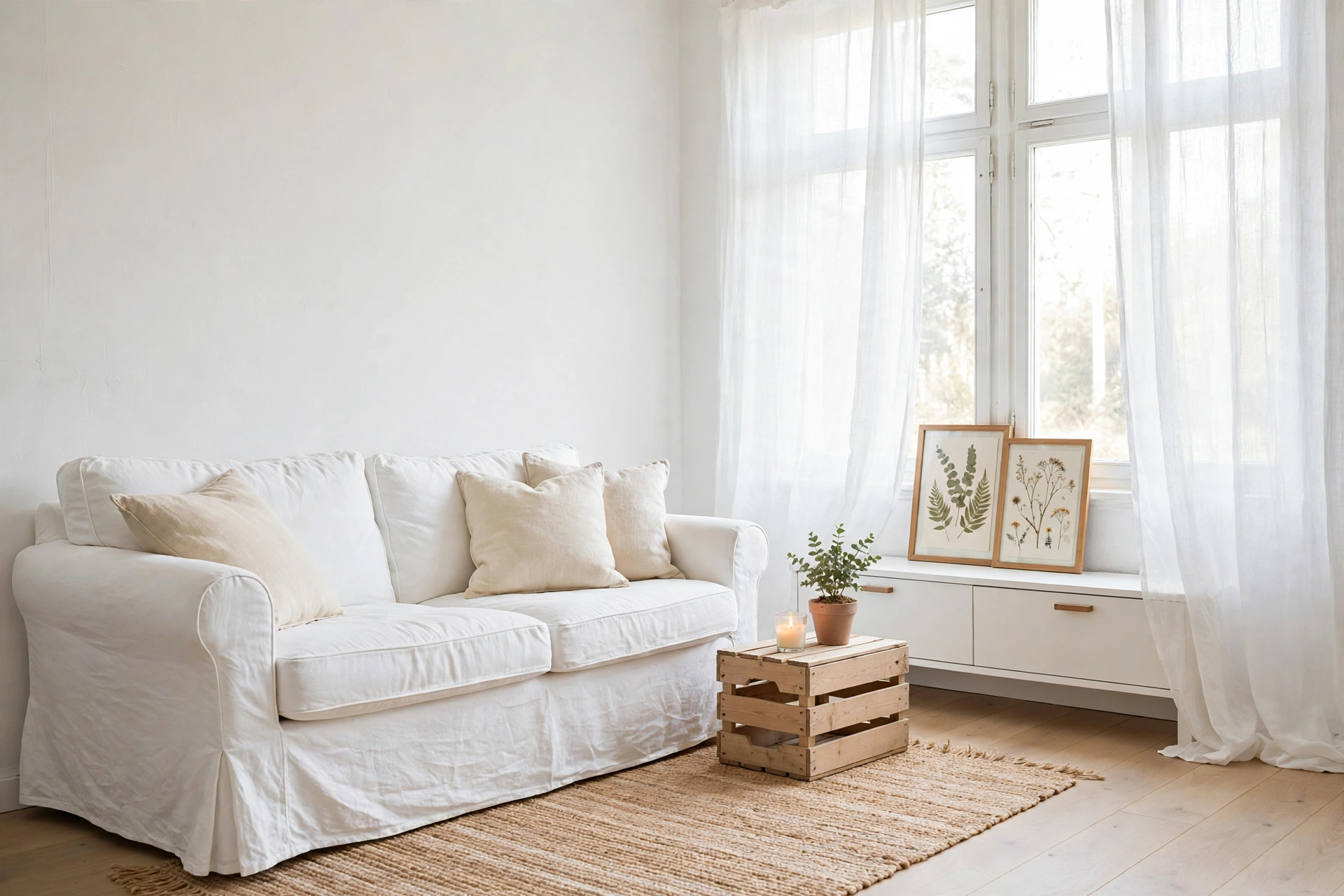
Winter nights are long. The dark comes early, the cold settles into the floor, and the bedroom — the one room that should comfort you — is too often just where the phone charger lives. The Danes decided centuries ago that the answer was not more heating. It was more hygge bedroom — hygge, the Danish art of coziness, built into the room where you start and end every day.
You do not need a new house or a big budget. Hygge is not something you buy; it is something you build — one warm layer, one soft light, one small ritual at a time. Here are 12 ideas that turn an ordinary bedroom into the warmest hug in the house.
What Hygge Actually Means
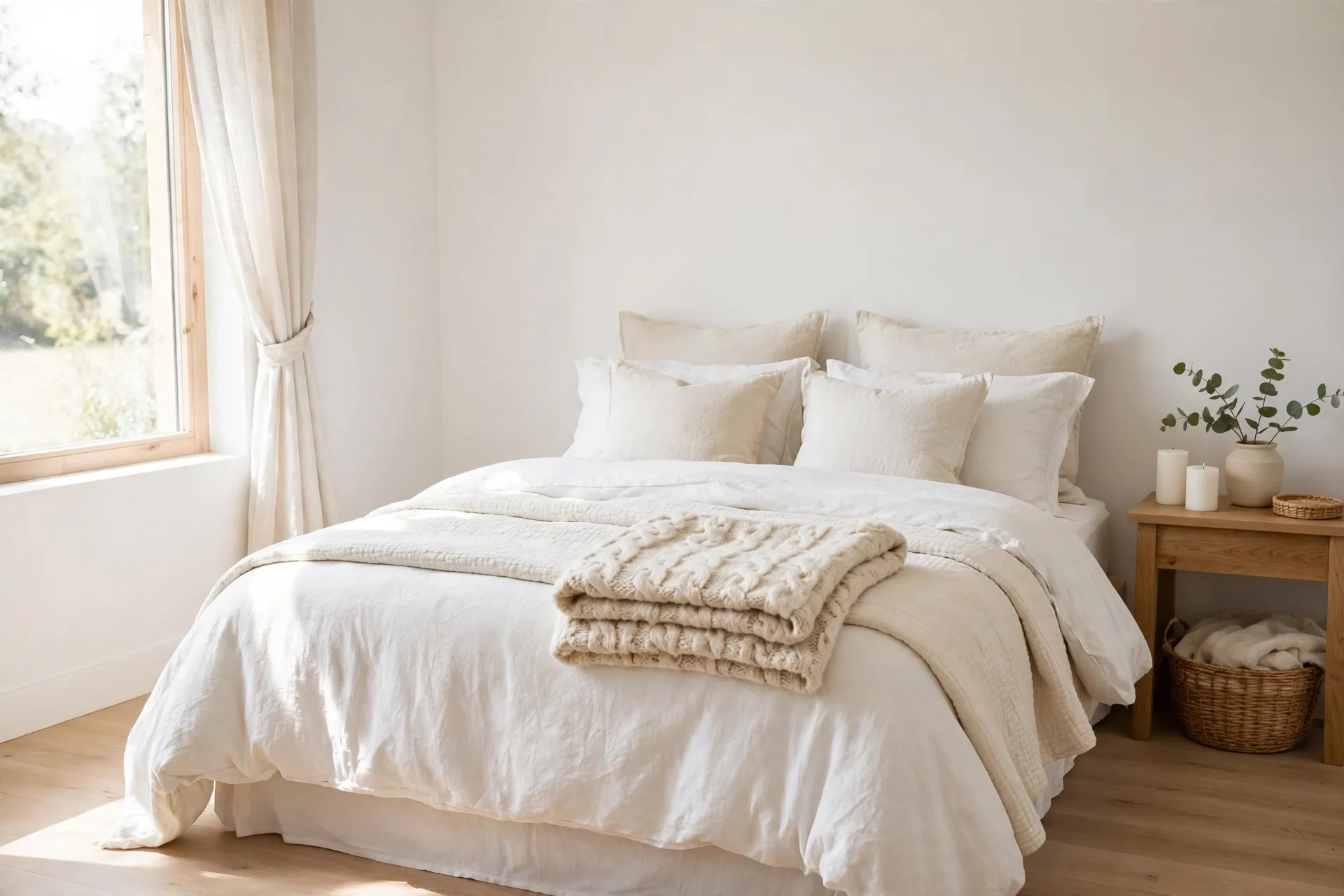
Forget everything social media did to the word for a second. Hygge (pronounced “hoo-gah,” more or less — Danes will forgive you) is not a decorating style. It is a feeling: warmth, softness, calm, and the quiet pleasure of being comfortable. A hygge room has no harsh light, no clutter shouting at you, no chair that is beautiful but impossible to sit in.
Here is the lovely part: nobody checks your hygge credentials. If it makes your shoulders drop and your breathing slow down, it counts. That is the whole philosophy, and it is why a hygge bedroom can be built in a tiny rental with a $50 budget just as honestly as in a farmhouse with a fireplace.
1. Layer the Bed Like a Dane
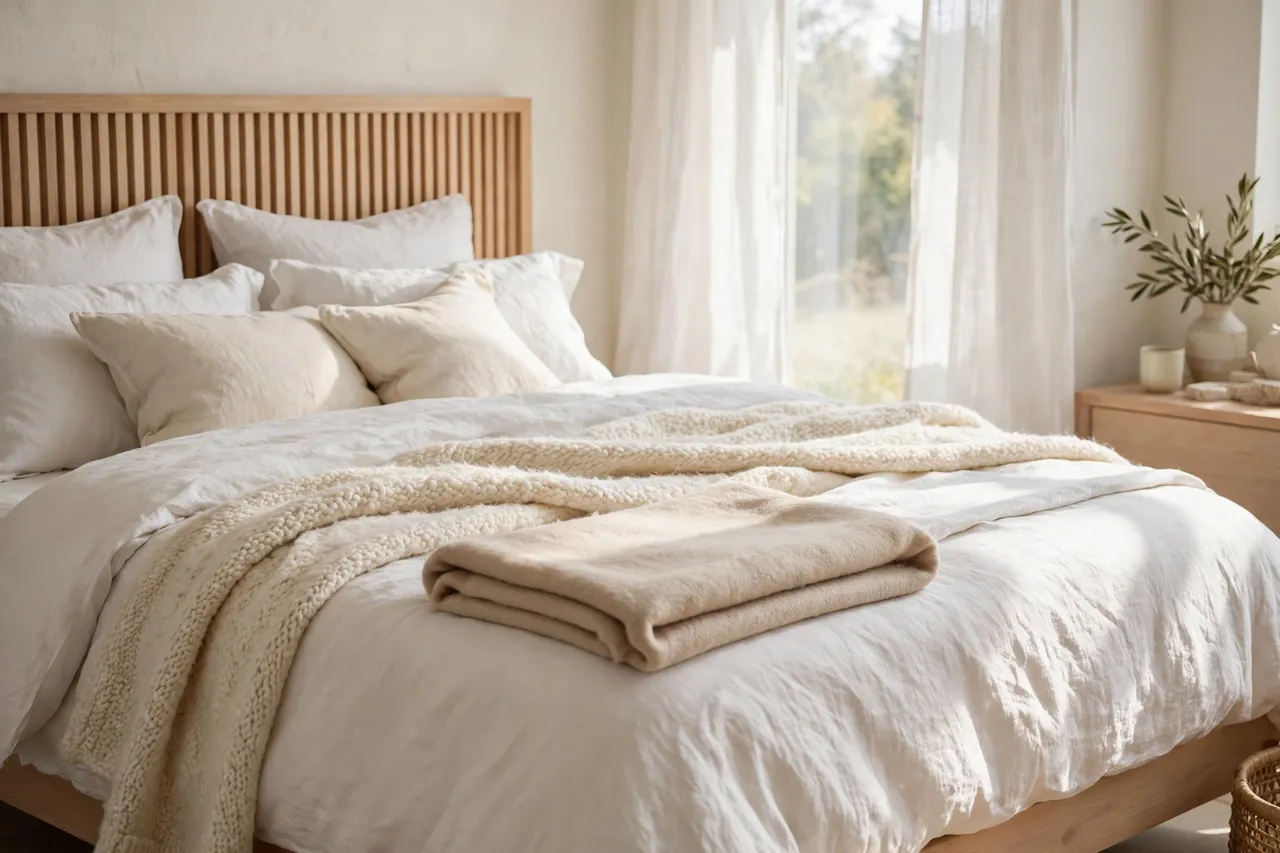
Your bed should look like it is asking you to lie down. Start with white or cream linen or cotton bedding as the base — wrinkled is fine, this is not a hotel. Add a wool or chunky-knit throw across the middle, and fold one extra blanket at the foot, ready for the coldest hour of the night. Three layers, three textures, and the bed suddenly looks lived in in the best way. Cost: about $30–$60 for a good throw and an extra blanket. A hygge bed is a promise you make to yourself every morning and collect on every night.
2. Kill the Overhead Light
The big light is the enemy of every cozy evening. One bright ceiling fixture turns a bedroom into an interrogation room; warm lamps turn it into a retreat. After dark, run the room on two or three warm sources — a bedside lamp, a small floor lamp or one warm string of lights — all with bulbs at 2700K or warmer, kept low and soft. A pair of warm bulbs costs a few dollars, a decent lamp $25–$50. Your eyes, and your nervous system, will notice the difference on the very first night.
3. Candles on the Nightstand
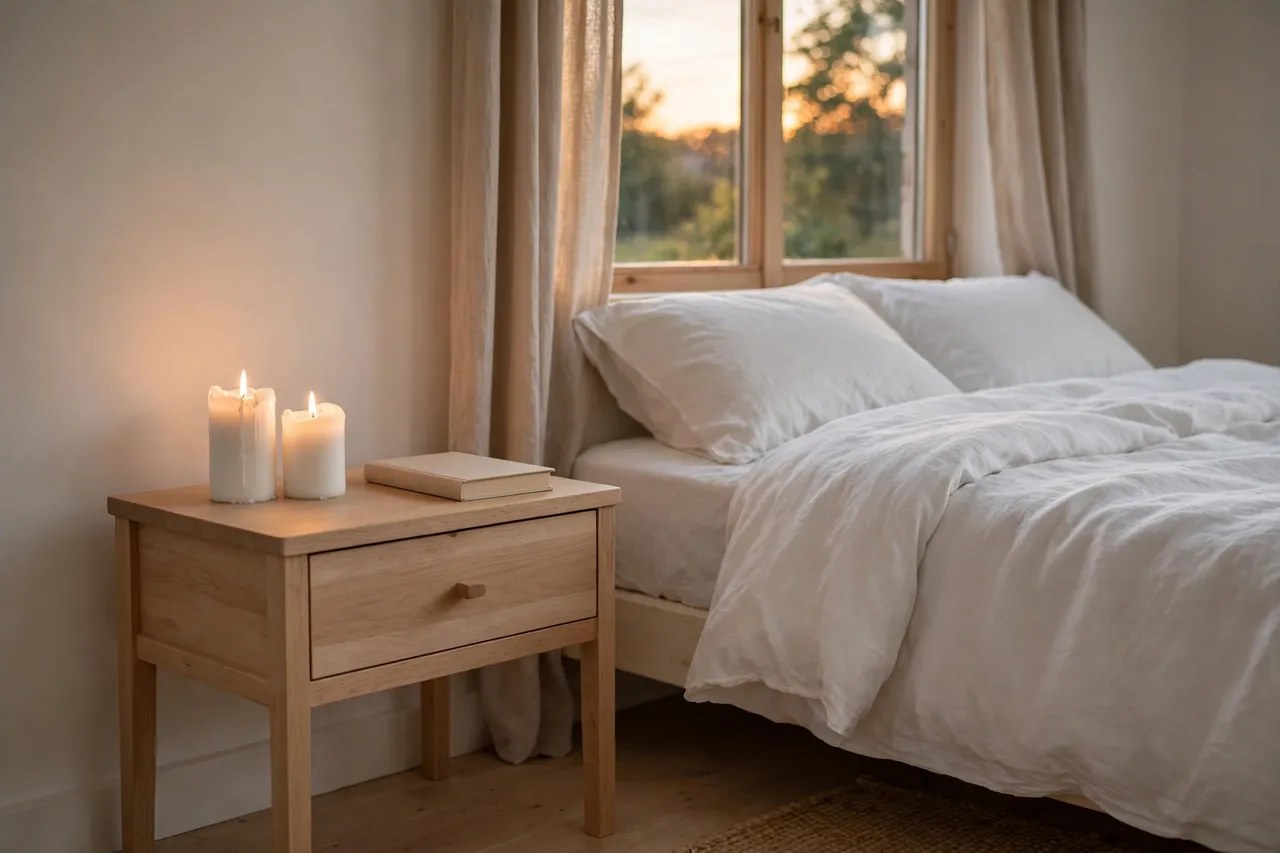
Flicker is the original screensaver. A couple of white pillar or taper candles on a simple wooden nightstand do more for a bedroom’s mood than any single purchase on this list — real flame during the evening wind-down, then out. The honest safety line: real candles while you are awake and in the room, flameless LED candles for any time you might doze off (modern flickering ones look genuinely warm now). Around $15–$25 for a small collection. Blow them out as the last act of your evening, and it becomes a ritual: the day is officially over.
4. A Sheepskin (or Faux) Beside the Bed
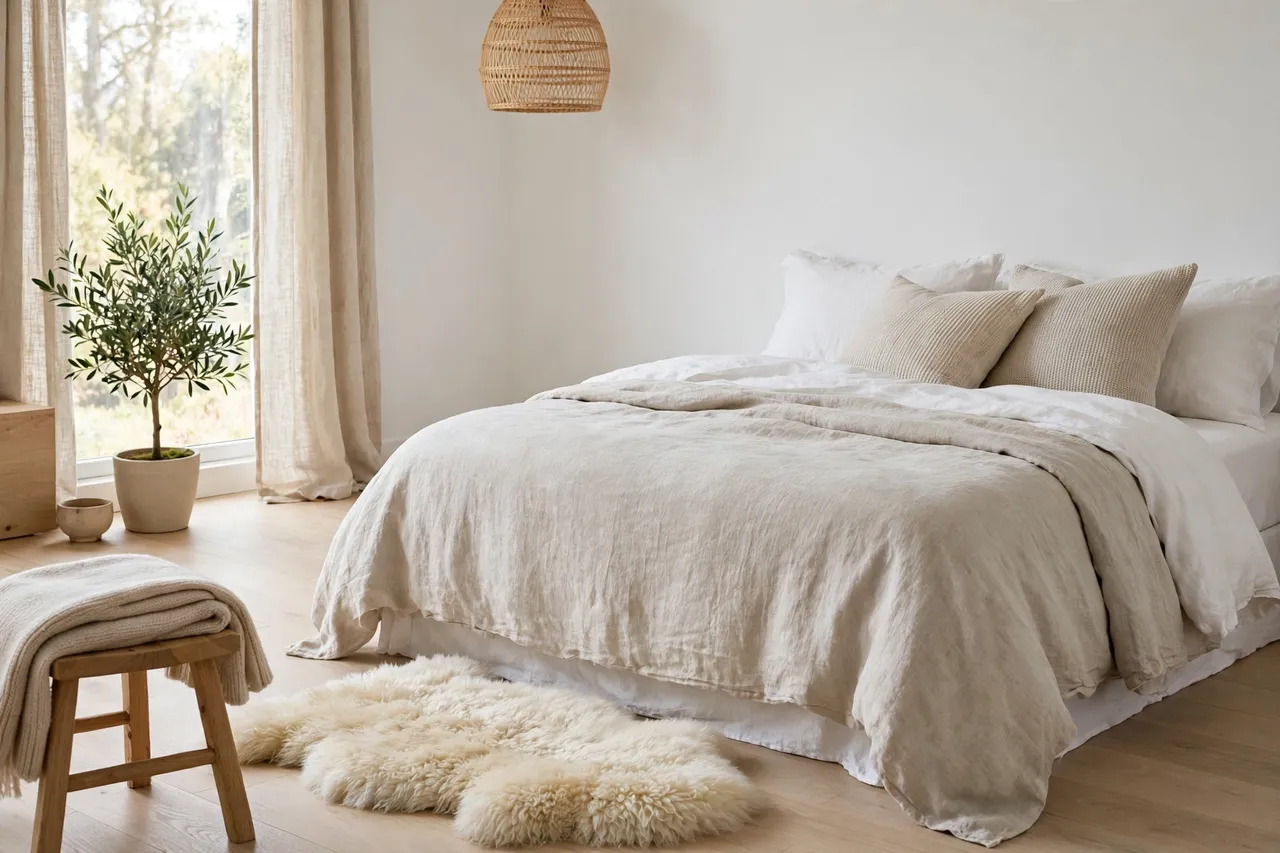
Bare feet should land somewhere kind. A sheepskin — or a good faux one, which is remarkably convincing these days — draped beside the bed means the first thing you touch in the morning is warm and soft instead of cold floor. Faux versions run $20–$40 and they survive the whole house: the reading chair, the sofa arm, the drafty office corner. For a hygge purist this is non-negotiable; for the rest of us it is just a very good feeling for very little money.
5. The Reading Corner: One Chair, One Lamp, One Small Stack
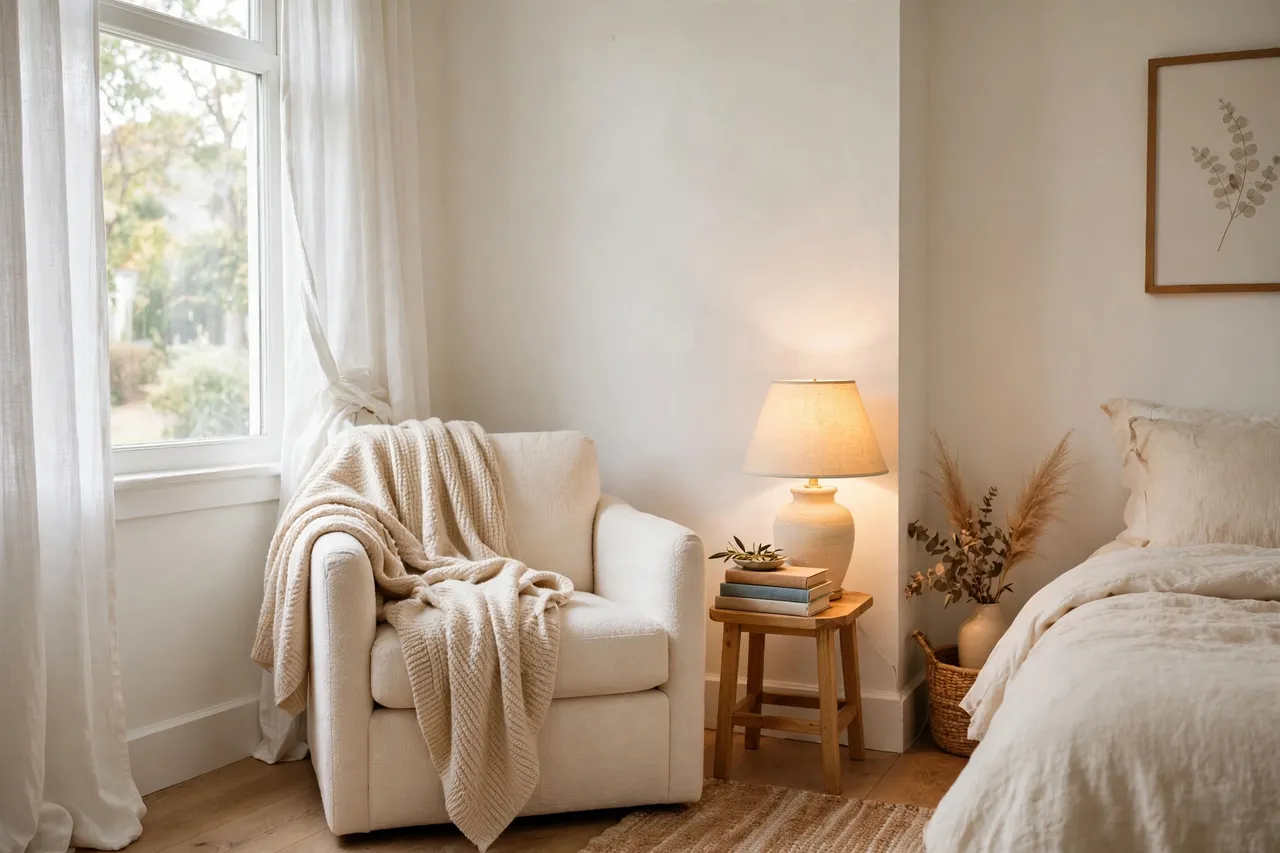
Every hygge bedroom needs a destination that is not the bed. One comfortable chair (armchair, accent chair, even a good cushion on a sturdy crate), one warm lamp beside it, one small stack of books. That is the whole corner — it takes up three square feet and gives the room a second life: the morning coffee spot, the Sunday afternoon, the place you read one more chapter. If your bedroom is small, a corner of the bed with extra cushions works too — our small bedroom ideas are full of corners like this. The point is having somewhere to be cozy that isn’t under the covers.
6. Linen Curtains That Soften the Morning
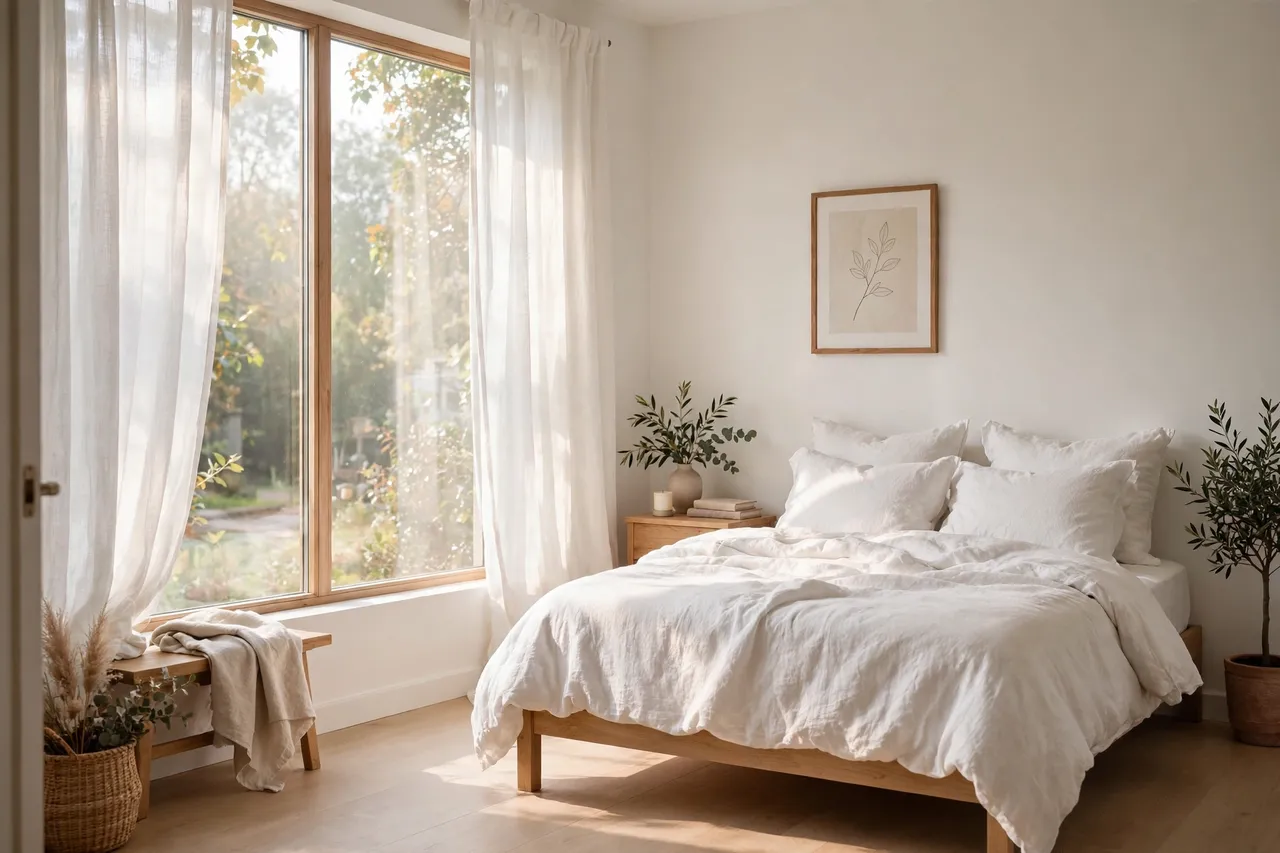
Wake up inside a watercolor, not an alarm. Heavy blackout curtains in a dark color make mornings feel like a bunker; white or cream linen panels soften the daylight into something gentle and glowing. You still sleep fine — linen diffuses rather than blocks — and the room wakes up with you instead of against you. A pair of linen-look panels runs $30–$60, and they work in every season. Hang them high and let them just touch the floor; the slight puddle of fabric is part of the softness.
7. The Warm Drink Ritual Tray
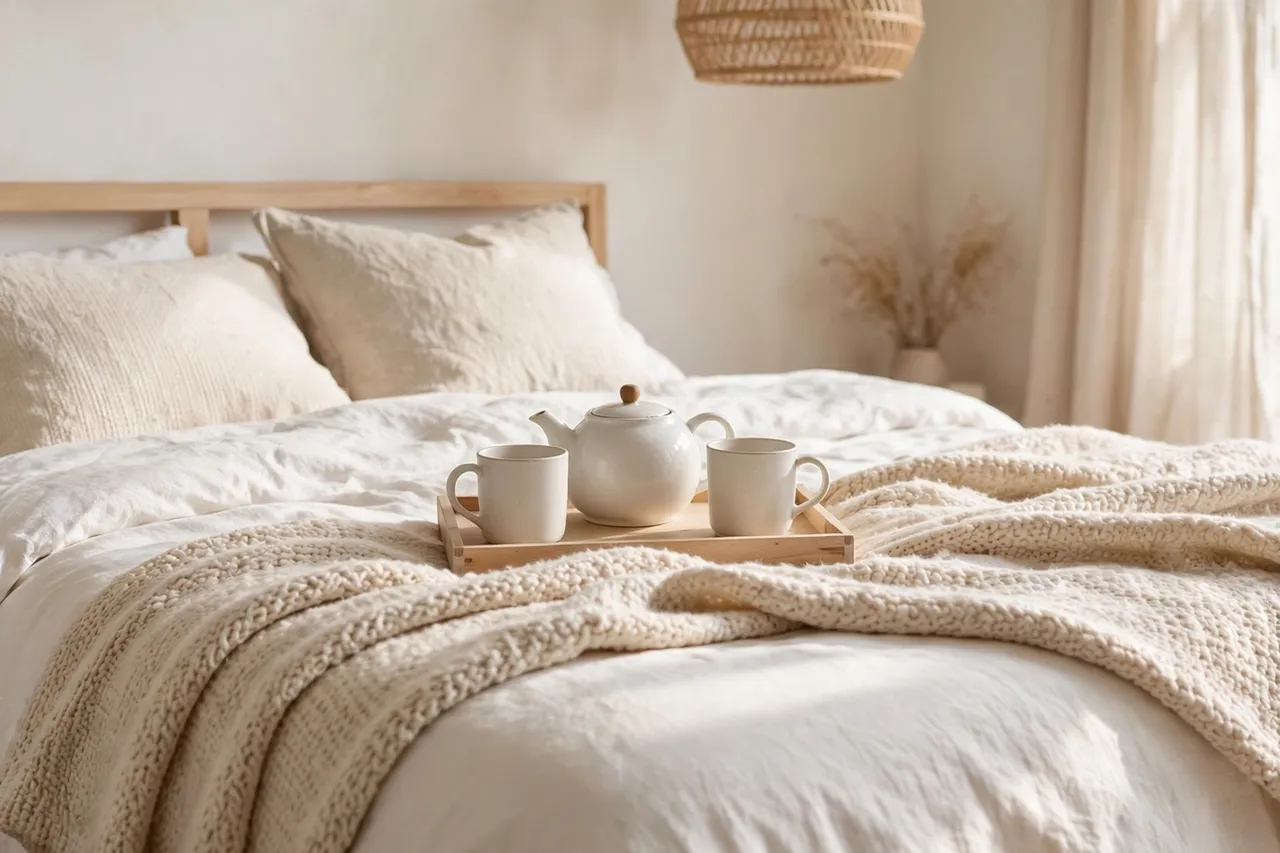
The ritual is the decor. Keep a small wooden tray — teapot or thermos, two mugs, maybe a little jar of honey — living permanently on the dresser or a stool. Every evening it says the same thing: someone is going to sit here and be warm soon. The tray itself costs almost nothing; the magic is that it turns an ordinary habit into a ceremony. This is hygge in its purest form: coziness you can drink.
8. Wood Tones at Eye Level
White needs warmth to lean on. A bedroom in all-white can drift toward sterile unless something warm holds it up — and pale wood is the gentlest way. A wooden tray on the bed, a light oak frame on the wall, a small wooden stool by the chair: each one is a quiet note of warmth at eye level. Cost: $0–$40 (raid your own home first — most of us own the wooden thing already). This is the same instinct behind our earthy living room ideas — wood warms white without darkening it.
9. The Decluttered Nightstand Rule
Hygge hates visual noise. Your nightstand gets three items: a book, a candle, a glass of water. That is the list. Everything else — the chargers, the receipts, the three half-finished lip balms — lives in the drawer or in another room. It costs nothing, takes ten minutes, and it changes how the whole room feels: calm surfaces tell a busy brain that the day is done. The Danish version of this rule is stricter than ours, and honestly they are right.
10. A Thick Rug Layer Underfoot
Cold floors are the opposite of a hug. One thick, soft rug — layered over whatever is already there, even carpet — warms the room visually and physically. Wool or a good high-pile synthetic in cream or oatmeal, big enough to step onto from both sides of the bed, runs $50–$120 and completely changes winter mornings. Renter-safe, moveable, and it eats sound too, so the room literally gets quieter. Cold feet have never once contributed to anyone’s happiness.
11. Soft Scent, Done Lightly
One source, never a fog. Hygge rooms smell like something — but gently. One candle, one small bowl of dried cinnamon and orange, or a cedar sachet in the drawer. Not all three, not a plug-in for every outlet. Pick cedar, vanilla, or cinnamon, keep it to a single light source, and the bedroom smells like somewhere cared for. A few dollars, zero effort, and guests will ask what it is.
12. The Tech-Free Last Hour
Phones charge in the kitchen now. This is the hardest idea on the list and the most transformative: the last hour before sleep, the bedroom goes tech-free. No scrolling, no blue glow, no “just one email.” Read the book, drink the tea, talk to the person you share the room with (or to nobody — equally hygge). Cost: nothing. Difficulty: real, for the first week. After that, you will wonder why you ever let a glowing rectangle sit on your pillow. The bedroom becomes a sanctuary again — which is what it was supposed to be all along.
The First Night
Now picture it: 9 PM in January, dark outside, the lamps low and warm, candles lit, the bed layered and waiting, a tray of tea going cool on the stool. You walk in and your shoulders drop an inch before you even sit down. That is not decorating. That is hygge — and it was twelve small ideas away.
FAQ
What does hygge mean exactly?
It is a Danish word (and way of life) for cozy contentment — the feeling of warmth, comfort and quiet togetherness. It is pronounced roughly “hoo-gah.” In a bedroom it translates to soft light, warm layers, calm surfaces and small comforting rituals. It is a feeling you build, not a style you buy.
Can I do hygge in a small bedroom?
Absolutely — small rooms are easier, because coziness loves small spaces. Layer the bed, warm the light, clear the nightstand, add one soft rug and one small ritual tray. Five moves, and a tiny bedroom becomes the coziest room in the house. Our small bedroom ideas cover the space side; this guide covers the warmth.
Is hygge expensive?
No — honestly, it is one of the cheapest aesthetics there is, because it is built on feeling, not furniture. Candles, a throw, warm bulbs, a decluttered nightstand and a tech-free hour cost under $50 total. The expensive version of hygge is just marketing.
What’s the difference between hygge and Scandi style?
Scandi is the look — white, pale wood, minimal, calm. Hygge is the feeling — warmth, softness, togetherness. A room can be Scandi without being hygge (beautiful but cold), but the best rooms are both: Scandi calm with hygge warmth layered in. Our scandi christmas decor guide leans on exactly that pairing.
Your bedroom should hug you back. Save this guide for the cold months — and follow on Pinterest for one warm, doable idea every day. 🧣